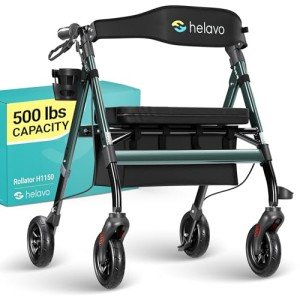
The Comprehensive Guide to Heavy-Duty Walkers: Enhancing Mobility and Independence
In an aging society where people are progressively focused on maintaining their self-reliance and mobility, heavy-duty walkers have become vital mobility aids. Stylish 4-Wheel Walker offer enhanced support, stability, and toughness, making them perfect for much heavier people or those who require extra assistance while walking. In this extensive guide, we will explore the features, benefits, and different kinds of heavy-duty walkers, aiming to offer a well-rounded understanding for those considering a purchase or those helping somebody in requirement.
What is a Heavy-Duty Walker?
Heavy-duty walkers are specifically developed for people needing extra support and stability while walking. Unlike standard walkers, which may have weight limits around 300 pounds, heavy-duty designs can accommodate individuals weighing anywhere from 300 to over 500 pounds. They are constructed with stronger products and include a larger frame for increased stability.
Secret Features of Heavy-Duty Walkers
| Function | Description |
|---|---|
| Weight Capacity | Generally 300-- 500+ pounds, suitable for larger people. |
| Frame Material | Constructed from heavy-duty aluminum or steel for strength. |
| Width and Height | Larger frames and adjustable heights for user comfort. |
| Footings | Designed with bigger rubber tips or wheels for improved grip and traction. |
| Seats and Accessories | Many designs come with padded seats and baskets for convenience. |
Benefits of Using Heavy-Duty Walkers
Heavy-duty walkers provide numerous advantages beyond simple mobility:
- Enhanced Stability: Their sturdy design avoids tipping and offers a secure base, reducing the threat of falls.
- Improved Confidence: With the included support, users often feel more secure and positive when walking, motivating mobility.
- Customization: Many heavy-duty walkers have adjustable heights and configurations, dealing with the private needs of users.
- Convenient Design: Several models come with built-in seats, storage spaces, or multipurpose features that make bring personal items easier.
- Healing Benefits: Regular use of walkers can help improve flow and promote a more active way of life, which is essential for total health.
Typical Conditions Benefiting from Heavy-Duty Walkers
| Condition | Description |
|---|---|
| Obesity | Extra support for much heavier users requiring aid with mobility. |
| Arthritis | Offers stability and decreases strain on joints while walking. |
| Post-Surgery Recovery | Assists with rehabilitation and steady return to mobility. |
| Neurological Conditions | Supports those with balance or coordination concerns. |
| Elderly Mobility Challenges | Offers the elderly a much safer ways of preserving independence. |
Types of Heavy-Duty Walkers
When choosing a heavy-duty walker, it's essential to think about the specific requirements and way of life of the user. Below are the commonly offered alternatives:
- Standard Heavy-Duty Walker: Simple yet efficient, these walkers include a robust frame without wheels. Best for fixed support.
- Rollator Walker: Equipped with wheels, a brake system, and often a seat, these walkers aid users in moving at a quicker speed while permitting fast rests.
- Front-Wheeled Walker: This type has 2 wheels at the front and strong legs at the back. It offers more mobility than a basic walker while maintaining stability.
- Mix Walker-Transport Chair: These multifunctional gadgets can be used as a walker and quickly transformed to a transport chair for those requiring more assistance.
- Portable Heavy-Duty Walker: Lightweight however tough, these walkers are created for ease of transport, perfect for those who travel frequently.
Relative Chart of Heavy-Duty Walkers
| Type | Stability | Maneuverability | Portability | Seat Available |
|---|---|---|---|---|
| Standard Heavy-Duty | High | Low | Low | Optional |
| Rollator | Medium | High | Medium | Yes |
| Front-Wheeled | Medium | Medium | Medium | No |
| Combination Chair | Medium | Low | Low | Yes |
| Portable Heavy-Duty | Medium | High | High | No |
Frequently Asked Questions (FAQs)
Q1: How do I choose the right heavy-duty walker for me?
- Weight Capacity: Ensure that the walker exceeds your weight to make sure security.
- Height: Choose a walker with adjustable height features to fit your body size.
- Usage: Consider your specific requirements-- whether you need a seat, additional storage, or the capability to navigate various surfaces.
Q2: Are heavy-duty walkers covered by insurance coverage?
Some insurance coverage providers may cover the expense of heavy-duty walkers, particularly if prescribed by a healthcare professional. It's important to inspect with your insurance coverage service provider for specifics relating to protection.
Q3: How do I preserve my heavy-duty walker?
Routinely examine the walker for wear and tear. Tidy the walker's frame and wheels to prevent accumulation. In addition, examine the brakes and adjust the height as essential.
Q4: Can I utilize a heavy-duty walker on irregular terrain?
Some heavy-duty walkers, particularly rollators with larger wheels, are designed for numerous terrains. However, basic walkers might not carry out too on irregular surface areas.
Q5: When should I think about using a heavy-duty walker?
If you experience problem keeping balance, your weight surpasses the capability of standard walkers, or you have mobility limitations due to medical conditions, a heavy-duty walker may be appropriate.
Heavy-duty walkers are important mobility help that offer numerous benefits, especially for people who require more support. They are important in promoting independence, security, and self-confidence while browsing everyday life. By comprehending the various types, features, and conditions they can assist with, users can make educated choices in their quest for increased mobility and lifestyle.
For those considering a heavy-duty walker, taking into account personal needs and choices will cause a more rewarding and secure walking experience. Whether on your own or an enjoyed one, comprehending the intricacies of heavy-duty walkers will play a crucial role in fostering mobility and independence.